Compliance Knowledge Built From the Regulatory Side
Continental Environmental Consulting Group helps industrial, commercial, municipal, government, and small-business clients build practical environmental, health, safety, and risk management systems that hold up in the real world — and under regulatory review.
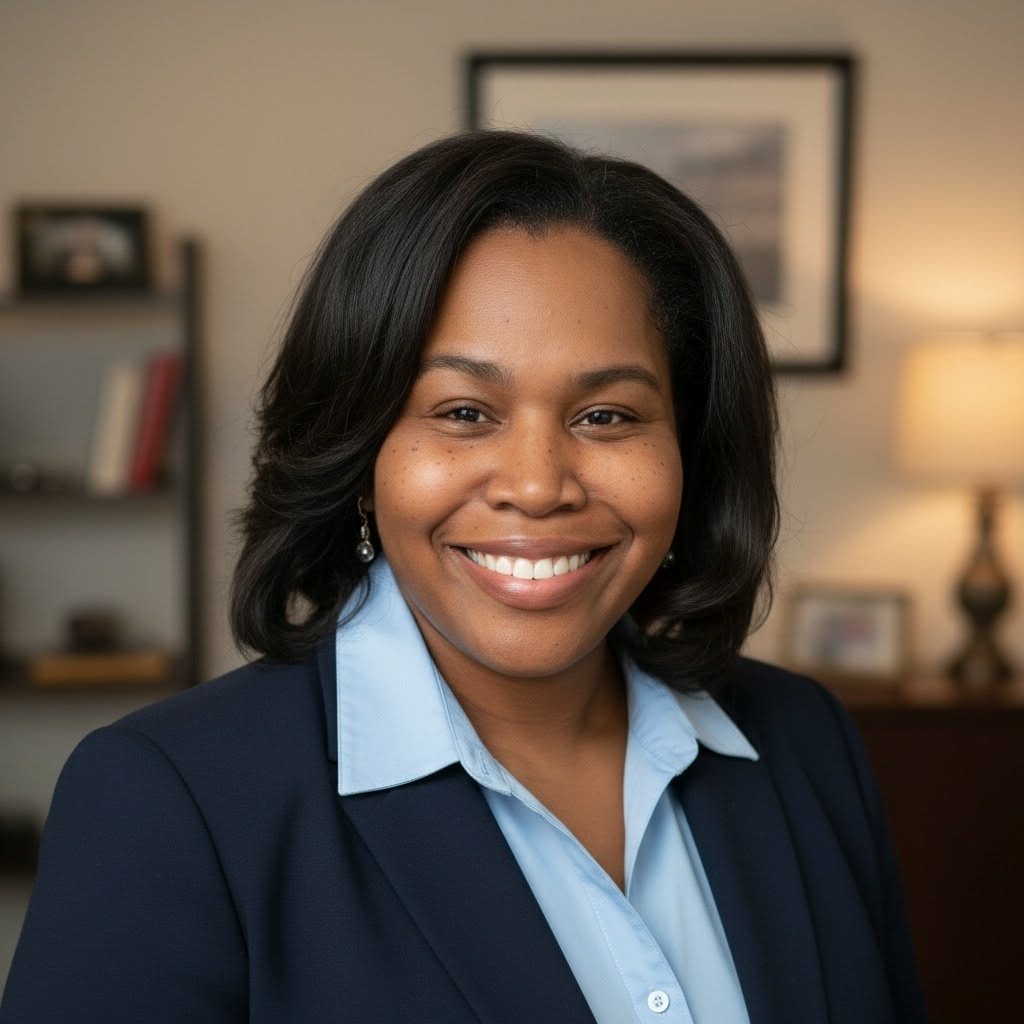
Founder & Principal Consultant
CEHSS • COHS
Natalie McKinney, CEHSS, COHS
Environmental Health, Safety & Risk Management
We do not approach compliance as a stack of regulations sitting in a binder. We understand what inspectors look for, how enforcement develops, where documentation fails, and what organizations need to demonstrate control.
Before founding Continental Environmental Consulting Group, Natalie served the City of Kansas City in environmental regulatory and compliance roles including Environmental Officer, Senior Environmental Officer, and Industrial Waste Pretreatment Coordinator.
That experience placed her directly inside the systems that govern inspections, hazardous waste management, industrial wastewater compliance, permitting, violations, enforcement, documentation, and regulatory reporting.
Today, Continental brings that regulatory perspective to clients who need more than a checklist. We help organizations understand what applies, identify where they are exposed, document what they are doing, correct what is not working, and build compliance processes their teams can actually maintain.
Experience Beyond the Checklist
Continental's consulting approach is grounded in direct regulatory, hazardous materials, wastewater, inspection, and enforcement experience.
Hazardous Waste Operations
Hands-on experience with household and organizational hazardous waste collection, classification, handling, consolidation, packaging, and shipment preparation.
- Chemical sorting and classification
- Flammable liquid bulking
- Hazardous waste packaging
- DOT shipping requirements
- Waste handling documentation
Municipal Program Management
Managed environmental compliance activities serving multiple city departments and operational groups.
- CESQG program management
- Waste collection coordination
- Internal compliance workflows
- Documentation control
- Disposal coordination
Industrial Pretreatment
Regulatory experience involving industrial and commercial dischargers connected to the Kansas City wastewater treatment system.
- Significant Industrial Users
- Categorical dischargers
- Industrial inspections
- Permitting and violations
- Enforcement workflows
We Understand What Happens on Both Sides of an Inspection.
Natalie supported and participated in audits involving the U.S. Environmental Protection Agency and the Missouri Department of Natural Resources, while managing permitting, inspection, violation, enforcement, and reporting responsibilities at the municipal level.
She was also responsible for semi-annual regulatory reporting for the City of Kansas City industrial pretreatment program.
That background shapes how Continental evaluates compliance: not simply by asking whether a policy exists, but whether the organization can demonstrate that the policy is implemented, documented, understood, and working.
Compliance Is Structural.
A compliant organization is not built around one knowledgeable employee or one successful inspection. It is built around repeatable systems. Continental develops inspection routines, written programs, documentation packages, corrective action processes, training systems, compliance calendars, and accountability structures designed to remain functional long after the consultant leaves.
Know what applies and where exposure exists.
Resolve deficiencies before they become larger problems.
Create defensible records of compliance activity.
Build systems employees can consistently follow.